

Two in three adults in Hampshire are overweight or obese, according to a new public health report, putting the county above the national average.
A report, presented to Hampshire County Council’s health and wellbeing board last week, said that 66 percent of adults in the county are overweight or obese, compared with 64 percent across England.
However, the figures vary across the county, with the highest rates recorded in New Forest (77 percent), Havant (72 percent) and Gosport (68 percent).
Childhood obesity also remains a concern. The report found that 32 percent of Year 6 children and 23 percent of Reception-age children in Hampshire are overweight or obese.


Health officials warned that obesity increases the risk of serious health conditions, including cardiovascular disease, some cancers, type 2 diabetes and high blood pressure. It can also worsen existing mental health conditions.
The report also highlighted concerns about food insecurity, with access to healthy and nutritious food not consistently available across Hampshire.
Areas identified as being at higher risk include Basingstoke, Havant, Waterlooville, Andover, Aldershot, Gosport and Totton.
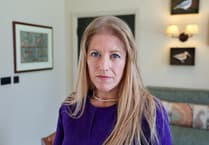
During the discussion, Gosport councillor Lesley Meenaghan raised concerns about the availability of healthy food options in parts of the borough.
She said: “One of the wards, particularly Forton (in Gosport), is what I would describe as a food desert. There are plenty of fast-food outlets and takeaways, but very few healthy options. Are we looking at planning policies to help change that landscape?”
Responding, Darren Carmichael, public health principal, said council officers provide evidence-based responses whenever planning applications are consulted on.
He added that councils are in a stronger position to challenge new takeaway developments when local planning policies support healthier food environments.
Officers said objections are most effective where local plans include measures aimed at limiting the spread of takeaways.
They stressed the importance of district and borough councils setting clear priorities and including them in their planning policies.
After the meeting, Cllr Meenaghan added: “If we are serious about tackling obesity, we need to be honest about the reality many communities face.
“In some of our most deprived areas, people are effectively living in food deserts, where access to fresh, healthy, nutritious food is limited, and where the most visible and readily available options are often high in fat, sugar, and salt.
“If healthy food is more expensive, harder to reach, or less visible than unhealthy alternatives, then the system is working against people from the outset.
“We must shape places where healthy food is accessible, affordable, and the default option—through thoughtful planning, stronger local provision, and designing communities that actively support healthy living.”
Comments
This article has no comments yet. Be the first to leave a comment.