
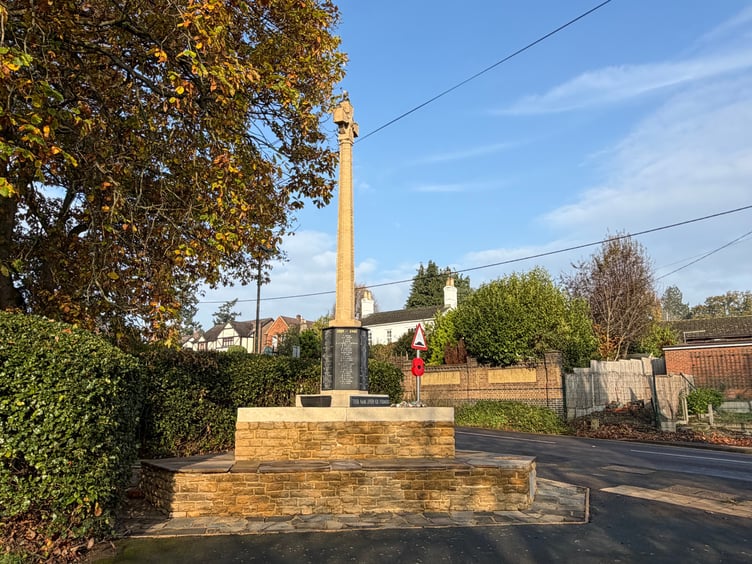
As Farnham marks Remembrance Sunday today, new research has uncovered the tragic story of two local brothers who grew up together, worked side by side and died on the same day during the First World War.
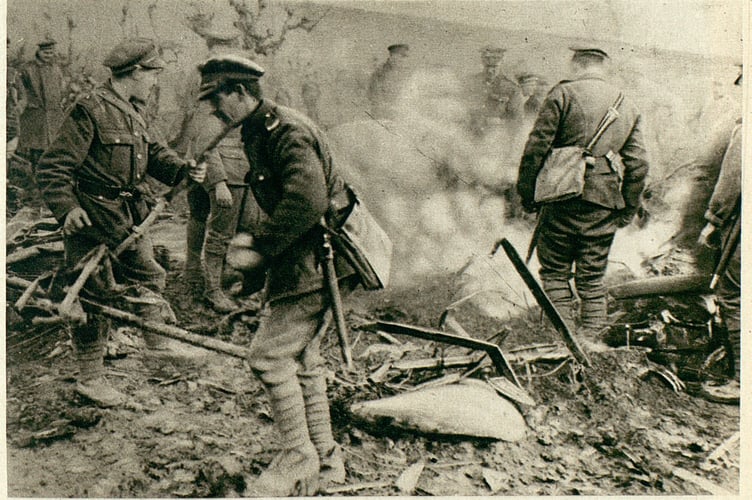
John Thomas Chennell and William Stephen Chennell, from Upper Hale, were both killed on September 25, 1915, during the opening day of the Battle of Loos in France.
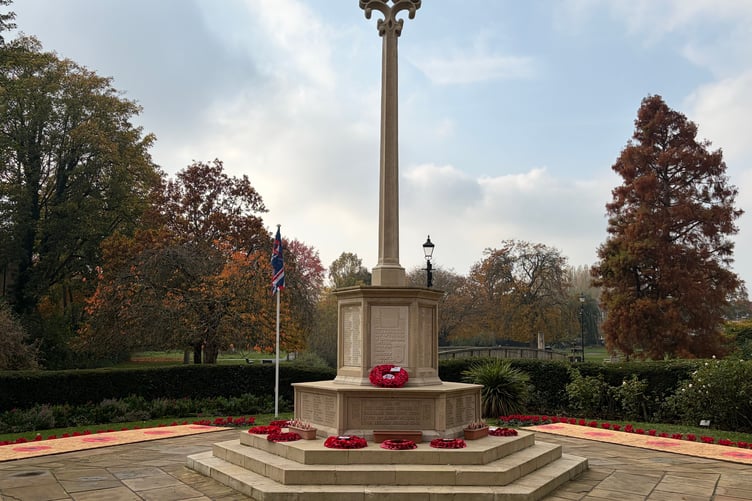
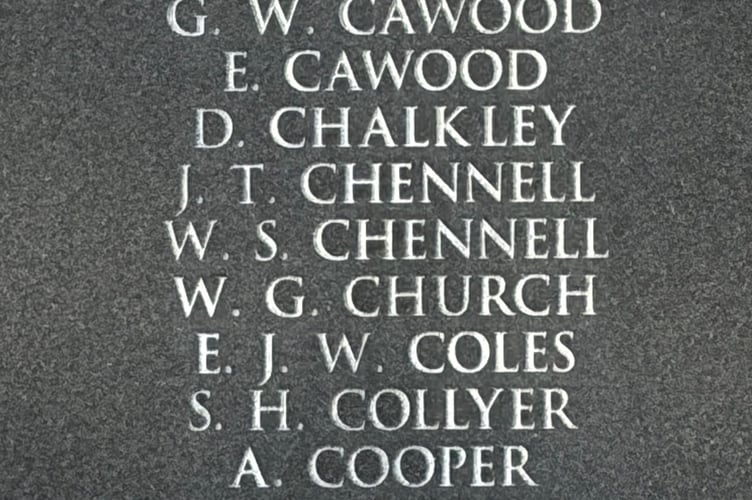
Neither brother has a known grave, but more than a century later, their names remain inscribed on war memorials in both Upper Hale and Farnham.
Their remarkable story has been brought to light by historian and broadcaster David Olusoga OBE as part of a new project exploring the lives behind Britain's war memorials.
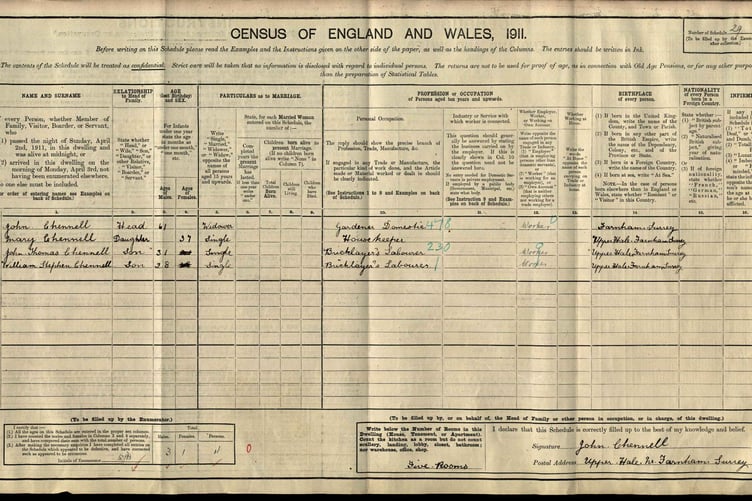
Born just two years apart into a large family in rural Upper Hale, John and William spent much of their lives together.
Census records show that by 1901, both were working as labourers. Ten years later, they were still working side by side as bricklayers' labourers.
When the First World War broke out, both answered the call to serve.
William enlisted in Guildford in November 1914, joining the 1st Battalion of the Queen's Royal West Surrey Regiment.

John followed in January 1915, joining the same regiment's 2nd Battalion.
But on September 25 that year, both brothers were killed in action as British forces launched a major offensive against German positions at Loos.
The battle was the largest British offensive of the war up to that point and marked the first use of poison gas by British forces.
Despite initial advances, the offensive failed to achieve a decisive breakthrough, with more than 50,000 British soldiers killed, wounded or missing.
John and William were among those who never returned home.
Neither has a known grave, and their names are also recorded on the Loos Memorial in France, which commemorates thousands of soldiers who died without known graves.
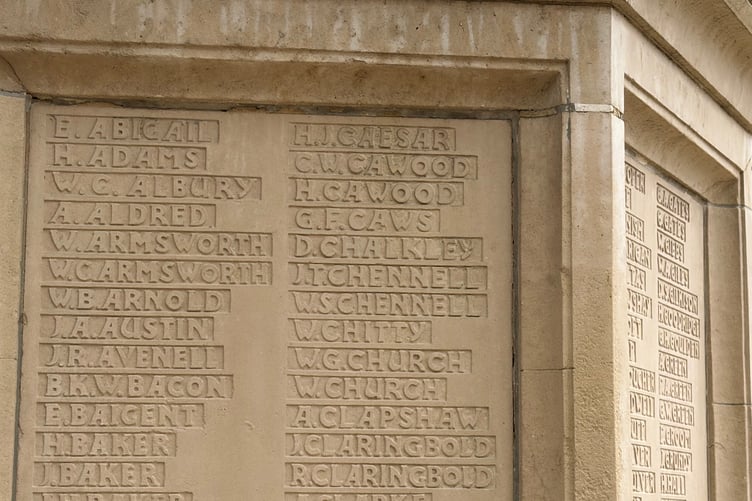
Their story has been highlighted through Military Lives, a new digital tool developed by family history website Findmypast, which links names on war memorials with historical records, census returns and newspaper archives.
Mr Olusoga said: "What struck me about John and William was not only the tragedy of their deaths, but the richness of the lives they lived before the war. By uncovering stories like this, we can begin to see these memorials not simply as monuments to conflict, but as memorials to individuals whose lives helped shape the communities we know today.
"War memorials are among the most familiar historical landmarks in Britain, but for many of us the names engraved on them have become distant and anonymous. Yet every inscription represents a life that extended far beyond military service and a loss that was felt by families, neighbours, workplaces, and entire communities."
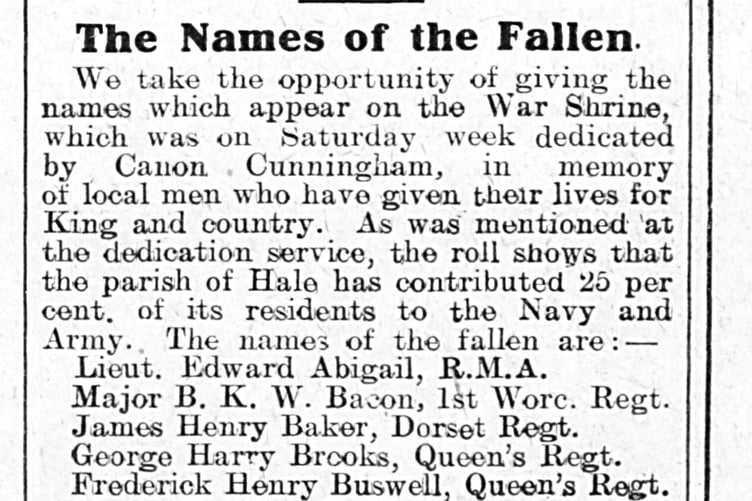
The project comes as new research suggests many of the personal stories behind Britain's war memorials are at risk of being forgotten.
A survey found that 70 percent of people were not confident they could name a single person commemorated on their local memorial, despite 84 percent believing such landmarks remain important to their community.
More than half (51 percent) said they would like to learn more about those commemorated, while 59 percent believed Remembrance would feel more meaningful if they understood the lives behind the names.
Findmypast says its new tool is the first to use large-scale machine learning to connect UK war memorial records with millions of historical documents, helping people discover family relationships, occupations and connections between those who died.
Jen Baldwin, research specialist at Findmypast, said: "War memorials were never intended to be lists of names alone. They were created to ensure people and stories would not be forgotten. Our research shows that many people are searching for that connection and want to know more about the lives of those that came before them in their local area.
"By using technology to bring together the UK's memorial data, historical records and newspaper archives on Findmypast, we're helping people uncover the human stories within their communities and making remembrance more personal, meaningful and accessible for future generations."
As people gather at war memorials across Farnham this Remembrance Sunday, the brothers' story offers a poignant reminder that behind every name is a life, a family and a community left to mourn.
David Olusoga added: "This Remembrance, I’d encourage everyone to visit your local memorial, select one name, and go online to discover their story."
The Military Lives tool is available free at https://www.findmypast.co.uk/discover/world-war-i/memorials
Comments
We've recently changed our login process. If you have an account for commenting, you will need to re-register on the login window.
This article has no comments yet. Be the first to leave a comment.