
THE National Farmers Union (NFU) has penned report in a bid to open up discussion and put the business of food and farming at the heart of the UK’s new Agriculture Bill.
Delivered to Westminster last Wednesday and sent to hundreds of MPs around the country, ‘UK: A Nation United by Food’ provides a breakdown of some of the main areas of debate surrounding future food policy.
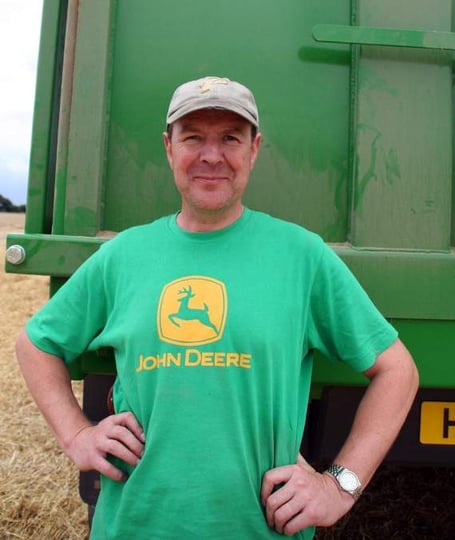
With many politicians already showing their support for British farming by openly supporting the Three Ears of Wheat logo, Julian Gibbons - local farmer and Hampshire delegate on the NFU council, believes the report will be vital in informing the second reading of the Agriculture Bill on October 10, and in helping to make sure the politicians “get it right!”
The UK’s first new Agriculture Act to be introduced since 1947, and the EU influence since the 1970s, Mr Gibbons believes that, at present, the draft plan had failed to take into account the importance of food in the farming process, selecting to dwell instead on the things the market doesn’t supply, such as environmental benefits.


But, said the Bradley-based arable farmer, “as farmers we do these things because we are farmers and food producers” and, “if we can’t produce food and make a profit (which is our income) we can’t carry out the environmental side - the two go hand in hand.”
According to Mr Gibbons, the feeling among the local farming community is that the Government is failing to put enough emphasis on the production of good, safe, wholesome homegrown food and, rather than supporting it, is tending to take it for granted.
The document raises important questions about what Britain needs for a thriving domestic food industry, focusing on four key areas:
• Moral Imperative: looking at the challenge of feeding a growing global population, the development of new technologies and making the most of productive land.
• Health and Nutrition: looking at the UK’s diet, the rise of obesity and the pressures on the NHS.
• Integrity and Standards: investigating the UK’s current food policy system, global food standards and imports and exports.
• Working with Nature: the reliance on healthy natural systems for food production and diversity in the global food supply base to manage risks due to natural environmental extremes.
NFU president Minette Batters has encouraged MPs to use the report to broaden the conversation about the future of British food to include consumers, producers, processors, retailers and policymakers.
She said: “The NFU, alongside the whole food supply chain, has been absolutely clear about the essential ingredients for a progressive, profitable, and sustainable food and farming sector post-Brexit. These include comprehensive measures to improve the environment and productivity and tackle volatility alongside free and frictionless trade and access to a competent and reliable workforce.”
In expressing disappointment in the face that the proposed Agriculture Bill which, she believes, “falls short of NFU aspirations”, Ms Batters said: “It is vital that in the future British farmers can continue to meet the food needs of a growing population. A future agricultural policy that ignores food production will be damaging for farmers and the public alike.”
She added: “There has never been a more important time to talk about domestically produced food. It is more affordable, diverse, traceable and available than ever before, but around the world the landscape for food is changing and we face significant challenges in sustaining ourselves in the future.
“The privilege of a safe and secure food supply must not be taken for granted. We have a unique opportunity to shape our food policy and our food security for generations to come, and I hope this report builds on the conversation already being had in Westminster.
“By starting a nationwide conversation we can work together to help plot the course for the future of food in Britain. If we do this then the benefits – economically, socially and environmentally – will be great.”
Comments
This article has no comments yet. Be the first to leave a comment.