
Festive carol The Twelve Days of Christmas was written in 1780 and is thought to be French in origin, but the version we sing was written by Frederic Austin in 1909 and he introduced the prolonged five gold rings verse.
It details a long list of what are considered traditional presents, even if some may be difficult to wrap, to be given each day from Christmas Day to January 5, but there are also 12 festive traditions, many dating back to ancient times, we regularly observe at this time of year.
1) The Christmas tree is now very much a symbol of the festive season and no village, town or front room would be complete without one decorated with lights and tinsel. However, its origin isn’t one that reaches back into the mists of time as it only started to became a tradition in England in the 1840s when Prince Albert, after his marriage to Queen Victoria, brought the custom from his German homeland and set up the first Christmas tree in Buckingham Palace.
2) The traditional turkey dinner didn’t exist in medieval England as it only became popular after the first birds were brought back from America in the middle of the 1500s. Before that, goose was the traditional Christmas meal for the rich along with venison, swan, and a variety of game and song birds along with hams and pies.



The poor weren’t allowed to eat the best cuts of meat but they would be given the offal from the animals and what remained of the meat from the squire’s table and these would be made into umble pie for their Christmas feast.
3) We have been decorating our homes with mistletoe and holly for decades but the tradition, certainly of mistletoe, dates back to pagan times when the druids thought it had mystical powers and used it in their ceremonies.
The Christians tried to ban it being used but York Minster once held a Christmas mistletoe service when wrongdoers could come and be pardoned.
When kissing under the mistletoe became a tradition a berry had first to be taken off the plant before the person could be kissed. Once all the berries had gone, there was no more kissing.
4) We now buy rolls and rolls of glossy paper decorated with festive symbols to wrap our presents but in medieval times and at the royal courts and in the castles and manor houses presents would be wrapped in material and the richer the household the richer the material, such as silk and gold cloth and bound with ribbons.
5) The tradition of singing carols can again be traced back to pagan times and ancient tribes used to dance as they sang. The world carol means dance but when Christianity took hold the pagan songs were adapted to reflect their religion and one of the earliest carols, The Angel Hymn, was ordered to be sung in churches by the Bishop of Rome in 12AD. The custom spread but the ‘carols’ were always in Latin.
It was when European composers began writing special songs or carols that people began singing them in their own native language and later groups called ‘waits’ made singing carols in the street for money popular.
6) We have already began to work out how we can manage to watch our favourite TV programmes at Christmas without moving to another room and offending the family and guests. However, in the pre-electronic age in Medieval England people would look forward to a visit from a Mummers group, a band of travelling actors providing entertainment and a festive highlight for any village or town they visited
With blackened faces and fancy costumes, they mesmerised people with their singing, comic antics and drama. Royalty had their own special band of Mummers and Elizabeth I liked to have a play performed each day of the 12 days of Christma, many by Mummers but also a new band of actors led by a certain William Shakespeare.
7) An important figure for children at Christmas time is Santa Claus coming down the chimney to bring them gifts while they sleep.
In the 21st Century this has been slightly adapted for houses without fireplaces, but the legend of this jolly gift giver is thought to have been inspired by a Greek Christian bishop, St Nicholas, who gave all his possessions and money to the poor. However, in many European countries St Nicholas, or Santa Claus, calls on Christmas Eve.
The jolly figure we associate with today, with his red suit and snowy white beard, is credited with being created by Coca Cola for an advertising feature in the 1930s, although an earlier American drinks firm had a red-coated Santa in their 1915 advert.
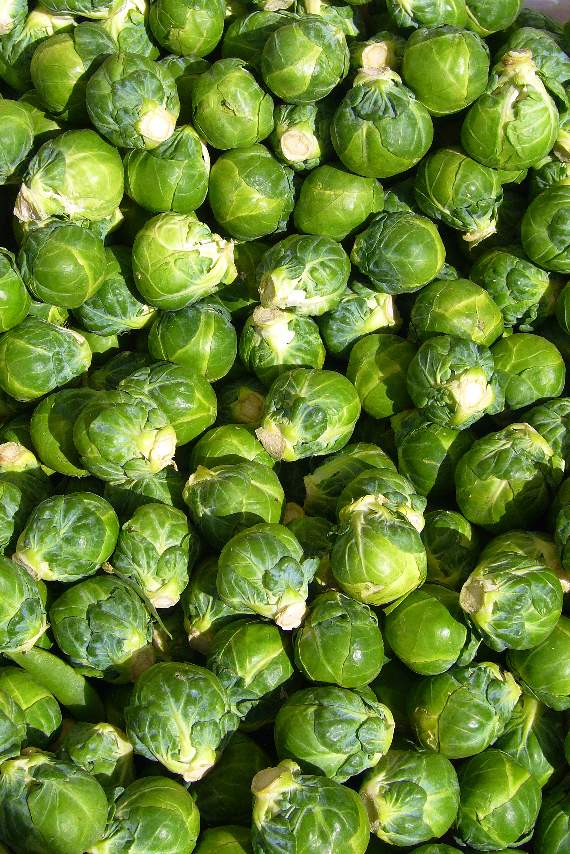
8) The humble Brussels sprout has been gracing Christmas dinner plates for decades and love or hate them they are a tradition we simply can’t seem to do without. Originally from Iran and the Middle East, the vegetable got its name when they became popular in Belgium in the 16th Century, although 5,000 years ago Chinese doctors prescribed them as laxatives. The heaviest sprout grown weighed in at 8.3 kilos and bad news for children everywhere who will do anything rather then eat a sprout, supermarkets are now selling giant-sized varieties.
9) Crackers have been providing Christmas fun since they were first made by a man called Tom Smith in 1845. He copied the French bon bon sweets which were wrapped in paper, but instead he included small gifts with the sweets.
His crackers were silent until he was inspired by the crackling of logs on his sitting room fire. He thought it would be nice if his sweet parcels crackled and so added the bang. Later, his three sons added hats and mottos famed for their bad jokes. The royal family have their own crackers made for them.
10) Tastes have changed a bit since mince pies were first eaten at Christmas in the 11th and 12th centuries as then they were rectangular shaped, to represent the crib Jesus was laid in, and filled with real meat finely minced and combined with sugar and spices.
It was the Victorians who created the modern mince pie by leaving out the meat and adding fruits to the mixture. It was considered lucky to eat a mince pie a day during the 12 days before Christmas.
11) What better way to create festive cheer than enjoying a Christmas drink and Champagne, now it is affordable, still tops the list as the one to welcome guests. However, in early England only the rich could afford to drink Champagne and wine and Edward II did a good deal for when he married Eleanor of Aquitaine he acquired all the wine rights to the region.
Honey-based mead was a popular Christmas drink although the poor would probably have to settle for ale they got from the local brew house while monks enjoyed the liqueurs they made from fruit in the monastery garden. One drink which could be described as having a kick in it was called Woolly Top. It was made with cider, sugar and a combination of spices so that when heated it would explode.
12) Even for those who don’t like it, Christmas would not be Christmas without the traditional plump, fruit-filled pud arriving in a flaming brandy cloud to finish off the meal.
But it wasn’t always the case as the first Christmas puddings were filled with real meat and spices but gradually they became fruit filled and the first had small doll figures in them as symbols of good luck. Silver charms were added later. A boot signified travel, a ring signified marriage, for bachelors a button was lucky but if a single woman got a thimble it was considered unlucky as it meant she would remain a spinster. The wishbone gave you a wish and silver sixpence good fortune.
Comments
This article has no comments yet. Be the first to leave a comment.