
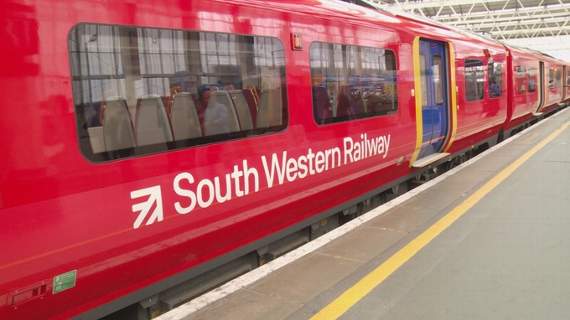
RAIL fares in Britain are to go up by an average of 3.4 per cent from January 2 which would, it is suggested, be bearable if the service was getting better. But some argue that it is definitely not.
The increase, the biggest since 2013, covers regulated fares, which includes season tickets, and unregulated fares, such as off-peak leisure tickets.
It will mean commuters travelling on the South Western Railway (SWR) line from Alton to London Waterloo will see the price of an annual season ticket rise from £4060 to £4204.
Alton Line Users’ Association (ALUA) has denounced the increases as “unfair”, berating the use of July’s Retail Price Index (RPI) and not the lower Consumer Price Index (CPI) in setting the figure.
 Haslemere shops deck the halls (and windows) in annual Christmas Window Competition
 Roads underwater as isolated flooding reported around Herald & Post area
 Overbearing 159-home plan for Farnham Centrum site rejected - but at what cost?
 WATCH: Hampshire drone firm in spotlight as Conservatives unveil £50bn defence fund
In a statement, ALUA says it can “only assume the Government is not using its preferred measure of inflation the CPI, which is the one used to determine wages and pension increases, because it is often lower than RPI and would lead to smaller fare increases. Why not use the CPI for rail fares too? Passengers deserve to be treated fairly. Salaries and wages over recent years have diminished by seven per cent in real terms, whilst rail fares have been continually rising”.
While admitting this is a “significant” rise, the Rail Delivery Group argues that more than 97 per cent of fare income is ploughed back into improving and running the railway, but ALUA finds this “disingenuous”.
“The Rail Delivery Group has stated that the increase is needed because it is income from fares which helps to upgrade the railway and that ‘many major rail industry costs rise directly in line with RPI. Rail companies are working together to improve performance now, adding thousands more seats over the next 18 months and, longer term, simplifying fares and ticket buying.
“But ALUA finds this disingenuous as, for example, the railway companies operating in our area have complicated the fares greatly by introducing a super off-peak fare onto an already complex scale of off-peak and standard fares for the many different types of tickets used at various times of the day.”
In a statement, the Department of Transport said: “We are investing in the biggest rail modernisation programme for over a century to improve services for passengers – providing faster and better trains with more seats, We have always fairly balanced the cost of this investment between the taxpayer and the passenger.”
ALUA argues that “many, particularly commuters, would not agree that it is any longer fairly balanced.”
East Hampshire District Council transport spokesman Robert Saunders said: “It has been the policy of successive governments to reduce the funding of the railways by taxpayers and increase the relative contribution of passengers and this is a policy I generally support. However, this year’s increases are particularly troubling given the industrial relations unease which has been seen across the rail network and that pay rises both in the public and private sector have not kept pace with inflation.”
Lib Dem transport spokesman and Alton town councillor Graham Titterington adds: “It is very disappointing that there will be another large increase in rail fares. Fare increases have been set at above inflation levels for many years, and in recent years they have outstripped incomes. Commuters are facing a crisis of affordability and in the last year rail travel has decreased. Every year the rail industry tries to justify the increases by saying that they need the money to pay for improved services, but the reality is that most rail services have not been improved for many years and, at best, we are being asked to pay for the same improvements over and over again.”
Alton man Darrell Kingsley and his family would certainly not agree that the service is improving. They purchased a Super Saver ticket on Friday (December 1) but made the mistake of boarding a train eight minutes too early at Clapham Junction, for which they felt the full wrath of an SWR guard who apparently berated them for fare dodging.
The issue arose because Mr Kingsley thought the ticket could be used after 7pm. He, his wife and 16-year-old daughter boarded the train at 7.02pm thinking they were sticking to the rules, only to be told that this particular ticket was not valid from Clapham Junction until after 7.10pm.
According to Mr Kingsley, the guard was demanding an additional £45 in payment for the eight-minute error and became aggressive when the family tried to reason that this seemed excessive.
Concerned that this could be the sign of a company with “a very unpleasant ethos”, Mr Kingsley said: “It was clearly a mistake and we offered to get off the train. We were not fare dodging as we had tickets. The guard was rude and unpleasant and ripped our tickets up, then threatened criminal action. Other passengers were equally appalled by his conduct.”
While the family has officially disputed the ‘unpaid fare notice’, a spokesman for SWR said: “We are sorry to hear about Mr Kingsley’s experience while travelling on board one of our trains. We understand he has submitted an appeal against the penalty notice he received to the independent appeals panel which is the right thing to do if he feels he was unfairly challenged.
“Meanwhile if Mr Kingsley wants to contact us about the customer service he experienced then we can look into this right away.”
Comments
This article has no comments yet. Be the first to leave a comment.