
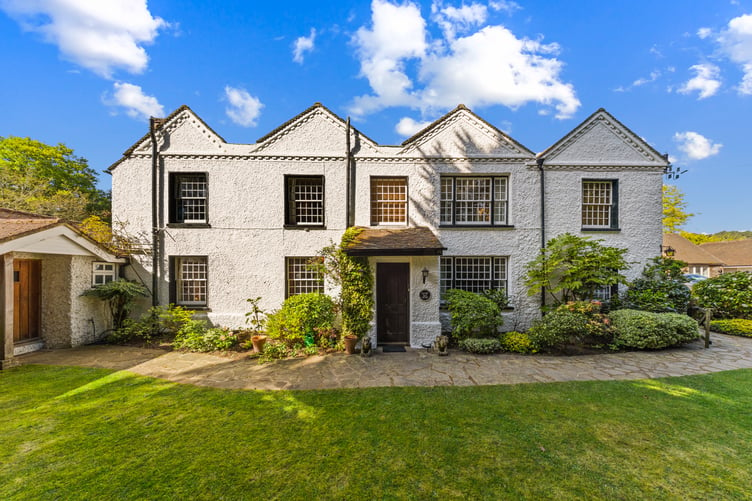
Could you find your own Neverland in this “enchanting” home which once belonged to the author of Peter Pan?
Barrie House, in Lower Bourne, Farnham, was once the summer home of J.M. Barrie, best known for writing children’s classic ‘Peter Pan’.
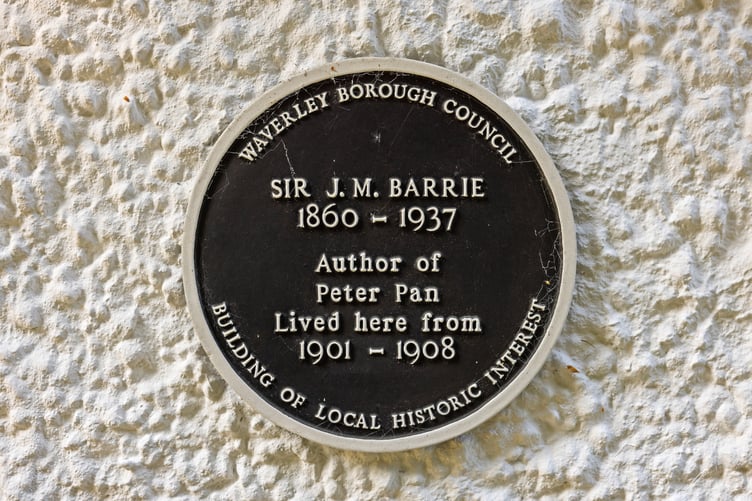
Barrie stayed in the house between 1901 and 1908, during which time he created the character of Peter Pan and wrote the original play, which would be later worked into the novel in 1911.
Barrie House is the front wing of the building, originally called Black Lake Cottage, which was split into three homes in the 1970s.
There are original period and architectural features throughout, with the front door opening into an oak-panelled entrance lobby and main hall with exposed timbers.
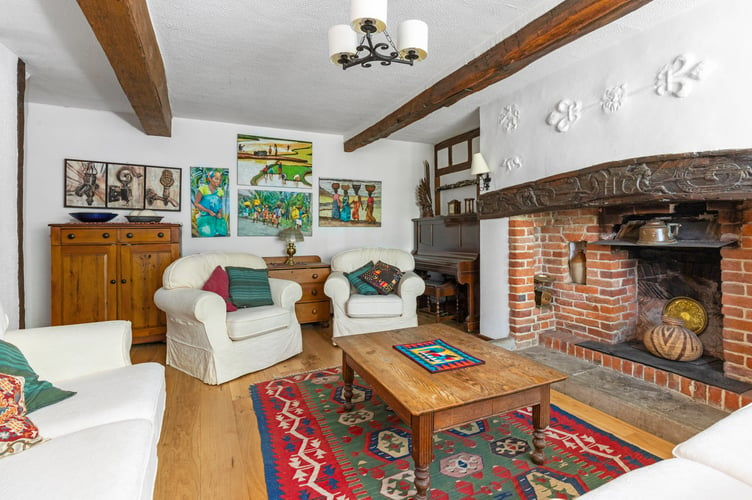
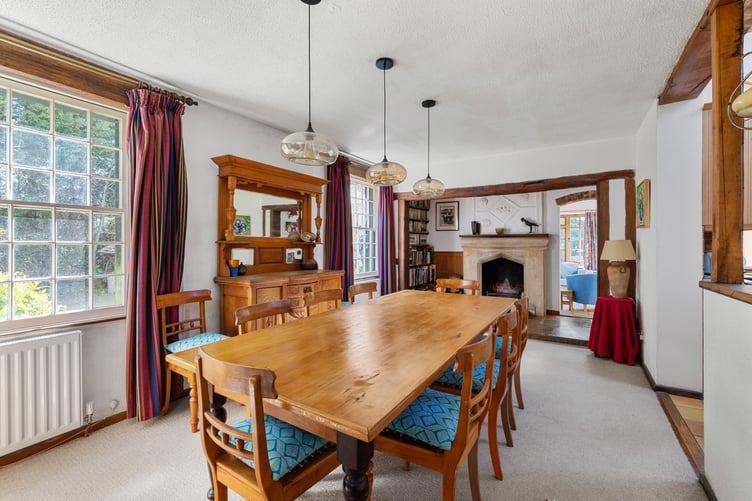
The sitting room features a feature inglenook fireplace with a carved timber beam above, believed to originate from a 16th century ship, while the dining room is centred around a stone fireplace with a timber mantel and recessed bookshelves.
Beyond this is an open-plan kitchen fitted with an AGA, opening into a vaulted breakfast and family room with skylight windows and double doors providing direct access outside.

The house also includes four double bedrooms, all of which have en-suite bath or shower rooms, and a utility room.
As well as the main house, the property includes a self-contained annexe behind original oak double doors.
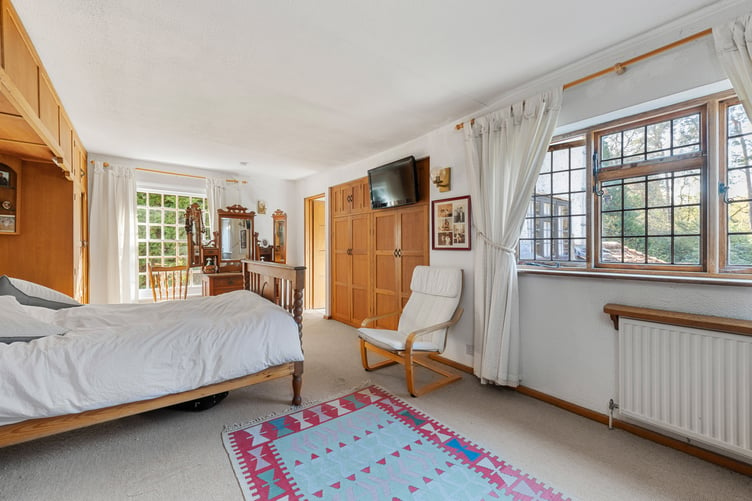
The accommodation comprises a kitchen, shower room, dual aspect bedroom and a sitting/dining room with double doors opening onto a private garden with a terrace, a lawn and mature borders.
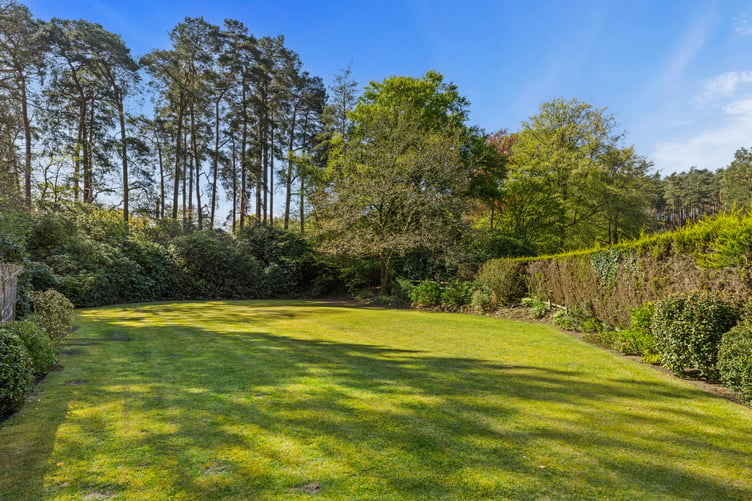
Outside, the rear garden is mainly laid to lawn and bordered by planted beds, mature rhododendrons and established planting.
Also in the grounds is a garden shed, a double garage with boarded loft provides excellent storage and there is driveway parking for a number of vehicles
The property is being sold by Savills for a guide price of £1,250,000.
Helen Pack, property agent for Savills, commented: “I love the history and character of this house, along with the flexibility of having a separate annexe.”
Comments
This article has no comments yet. Be the first to leave a comment.